How It Works
Protecting local land, air, and water
What happens to organic waste above ground affects everyone nearby.

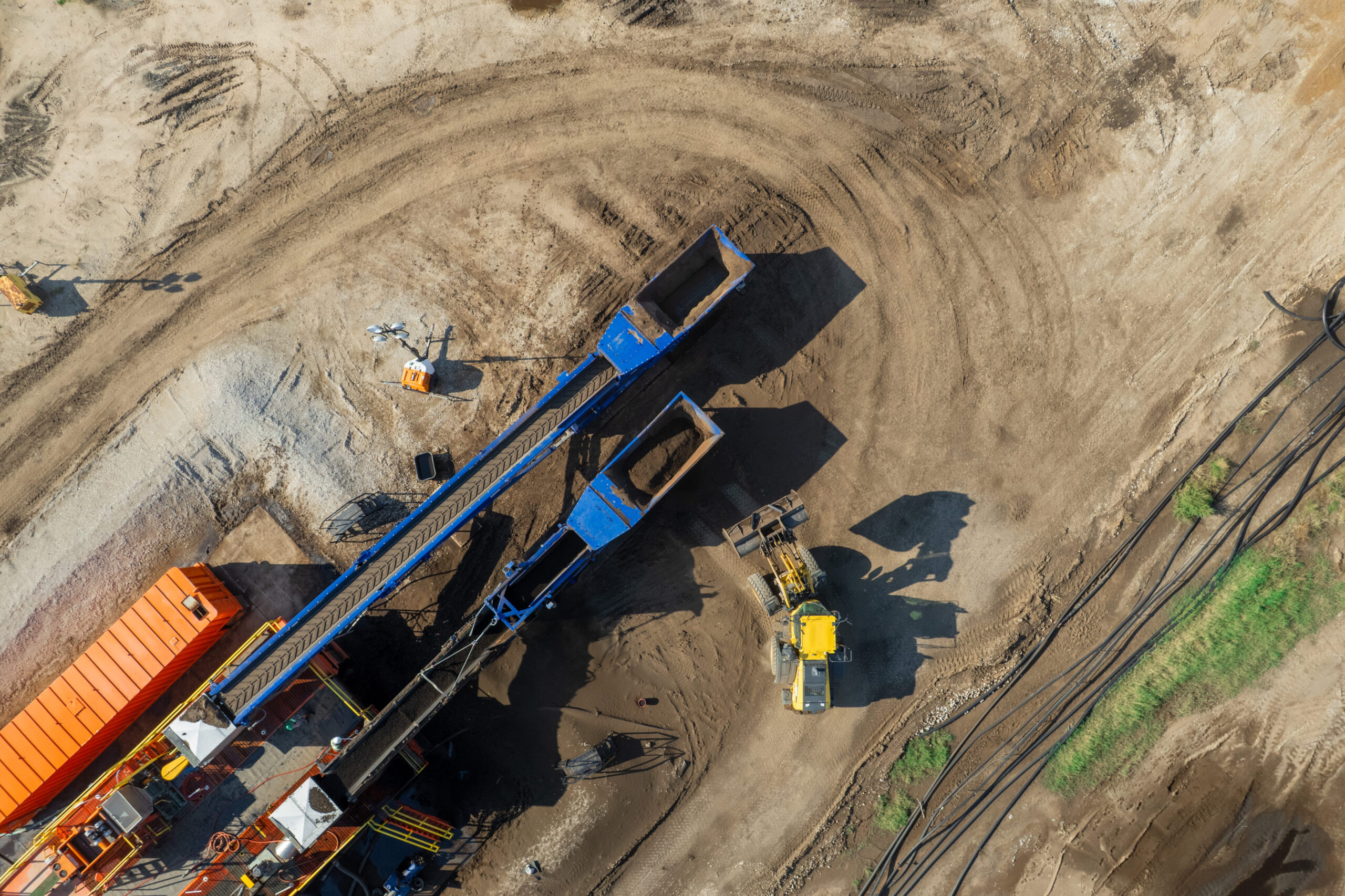
Most organic waste in agricultural and industrial regions ends up on land, in open storage pits, or in landfills.
Left on the surface, these methods can release pathogens, nutrients, odors, and contaminants into local soil, air, and waterways—often in ways that aren’t immediately visible. Over-application or runoff can affect drinking water sources, crop quality, and community health. Vaulted stores waste permanently thousands of feet underground in Class V wells, removing it from the surface environment entirely and keeping it out of local ecosystems.

What to expect from a
Vaulted facility
All our facilities are designed to improve the surrounding environment.
Day to day, a Vaulted facility operates like a contained industrial site. Noise is comparable to standard agricultural equipment, and truck traffic is coordinated with local authorities to avoid disruptions. We process and move waste underground promptly, reducing odor.
Every site is permitted by the EPA and local agencies. We’re subject to monthly regulatory reporting and oversight.
Building a new facility takes 2-3 years from permitting to first operations. Once running, sites operate for 15-30 years, after which wells are permanently sealed.

Jobs and local
investment
A Vaulted facility is an economic partner, not just an industrial neighbor.
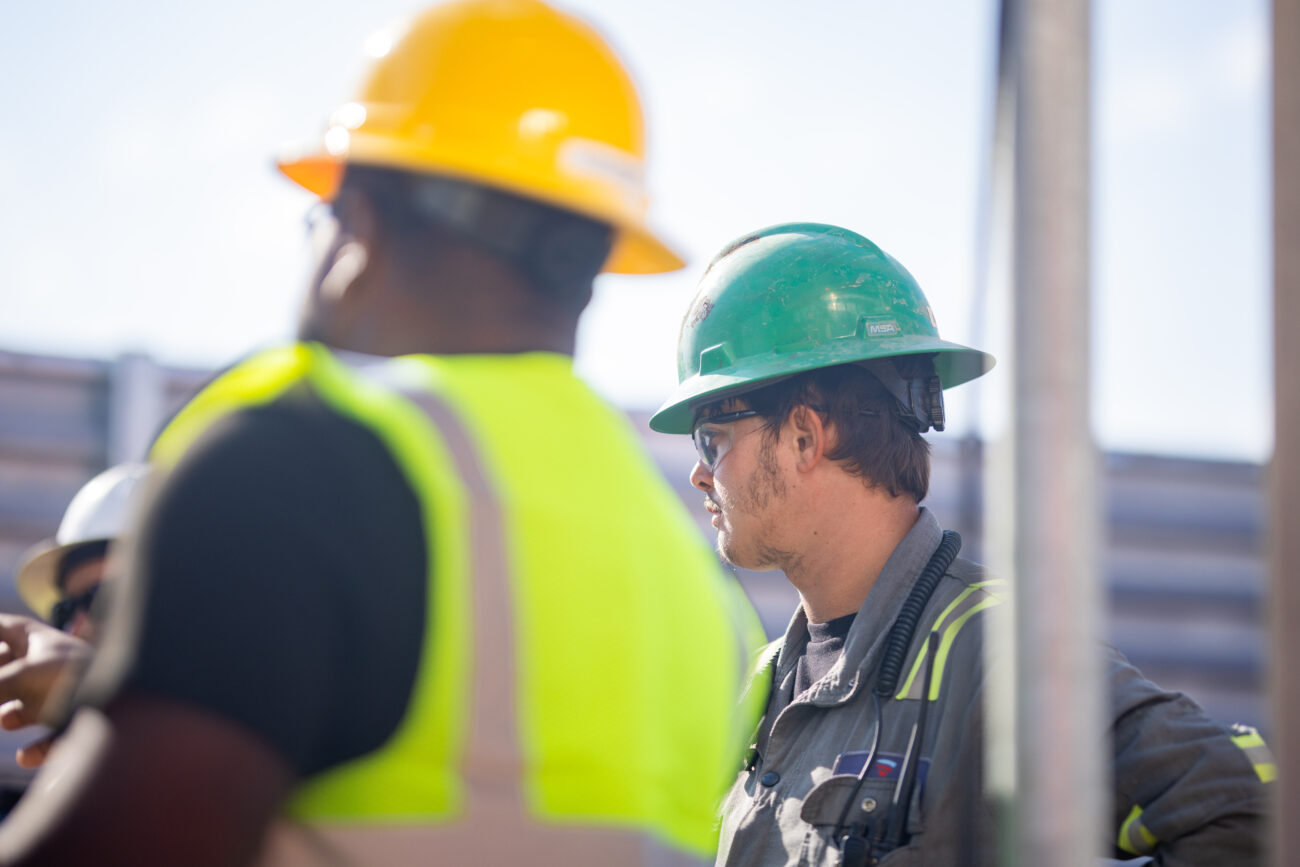
We’re proud to bring investment into every region we operate in. We hire locally, pay competitive wages with full benefits, and invest in training and career development for our operators. We work with local trucking companies and service providers, keeping economic activity circulating in the community.
At our existing facilities, that’s meant millions of dollars invested locally and dozens of full-time jobs created.
-
$10.8M
aggregate local investment
Testimonials
Voices from our communities
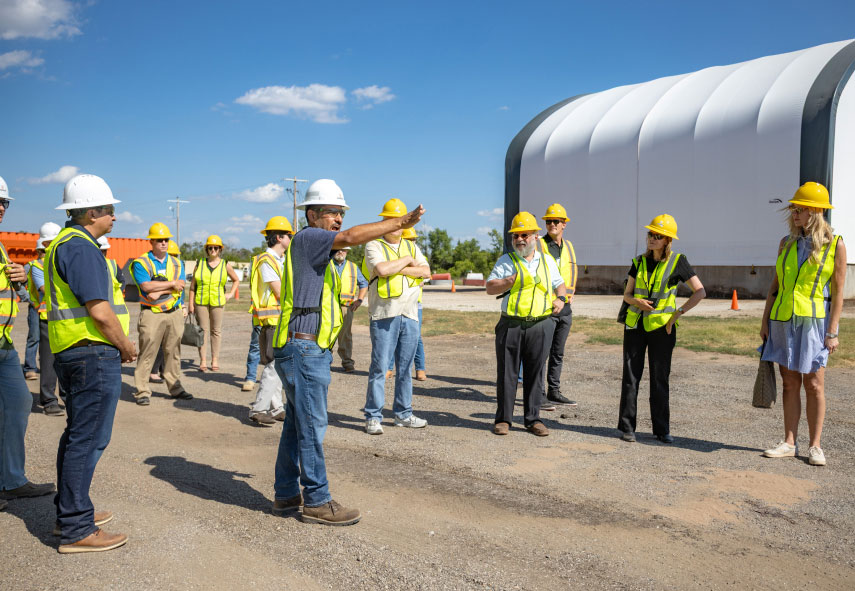
The best way to understand what we do is to hear from some of the people who’ve seen it firsthand.
-

“I like Vaulted because they have great people to work with. They’ve given work opportunities to not only my business, but to a lot of other businesses in the community as well. Vaulted has been very helpful to my business in providing consistent work.”
Dale Nisley, D&T Hauling, Vaulted trucking partner in Hutchinson, Kansas

-
“Working with Vaulted Deep allows us to reduce our manure stockpile while we receive some income proceeds to offset the work we do to keep our pens clean. It provides a great benefit with little extra hassle from the feed yard operations.”
Taylor Hughes, Pratt Feeders, Vaulted waste partner in Hutchinson, Kansas
-
“Vaulted Deep has brought greater flexibility to our biosolids disposal operations. Their ability to manage disposal even during wet weather—when land application isn’t an option—has been invaluable.”
Dillan Curtis, City of Derby Public Works, Vaulted waste partner in Hutchinson, Kansas
Community FAQs
-
Will a Vaulted facility affect our drinking water?
To receive a permit from the U.S. Environmental Protection Agency, we must prove our operations will not impact drinking water. At our sites, thousands of feet of impermeable rock separate the disposal zone from any drinking water source. These natural barriers are complemented by deep wells with multiple layers of steel pipes cemented together from top to bottom. We monitor pressure 24/7 — if anything changes, we know within seconds and stop operations immediately.
-
What are biosolids?
Biosolids are the organic material left over after treating sewage at wastewater plants. After being cleaned and processed to reduce pathogens, these solids are often landfilled or spread on land. They can still contain contaminants — including forever chemicals and pathogens — that carry risk for local environments. Vaulted’s approach keeps biosolids permanently locked away deep underground.
-
Does Vaulted deal with hazardous waste?
Everything we take is nonhazardous. If it’s hazardous, by law we can’t accept it. Some of the organic wastes, like paper sludge and biosolids, can be dangerous if concentrated because they can contain pathogens and chemicals. Even overapplication of a good thing like manure can still lead to nutrient runoff and water contamination.
-
How does Vaulted actually help the community?
Vaulted addresses waste challenges — both seen and unseen — that are already affecting local land, air, and water. When there are fewer pollutants running off into local rivers, and fewer unwanted odors in the air, the difference is real. We also bring long-term jobs, local procurement, and investment, with the goal of being a genuine economic contributor to the regions where we operate.
-
Where does the water used in Vaulted’s operations come from?
We don’t use fresh water that could serve as a drinking or irrigation source. Each site undergoes a detailed water sourcing assessment before operations begin, and we follow strict criteria to prevent impacting local water supplies or groundwater recharge. Once the assessment is complete, we openly share water use information with regulators and the community.
-
Will there be odors in the area surrounding the Vaulted facility?
There will be no new odors, and we typically reduce existing odor problems. Waste is processed and moved promptly upon arrival with no open storage. We also help address the root cause of odors by diverting waste that would otherwise slowly decompose above ground (on fields or in storage pits).
Talk to your community team
Got a question or need more information? Please share your details and we’ll get back to you.