
Monarch Fields (Proposed Project)
-
Location:
Weld County, CO ,
-
Status:
Early regulatory review ,


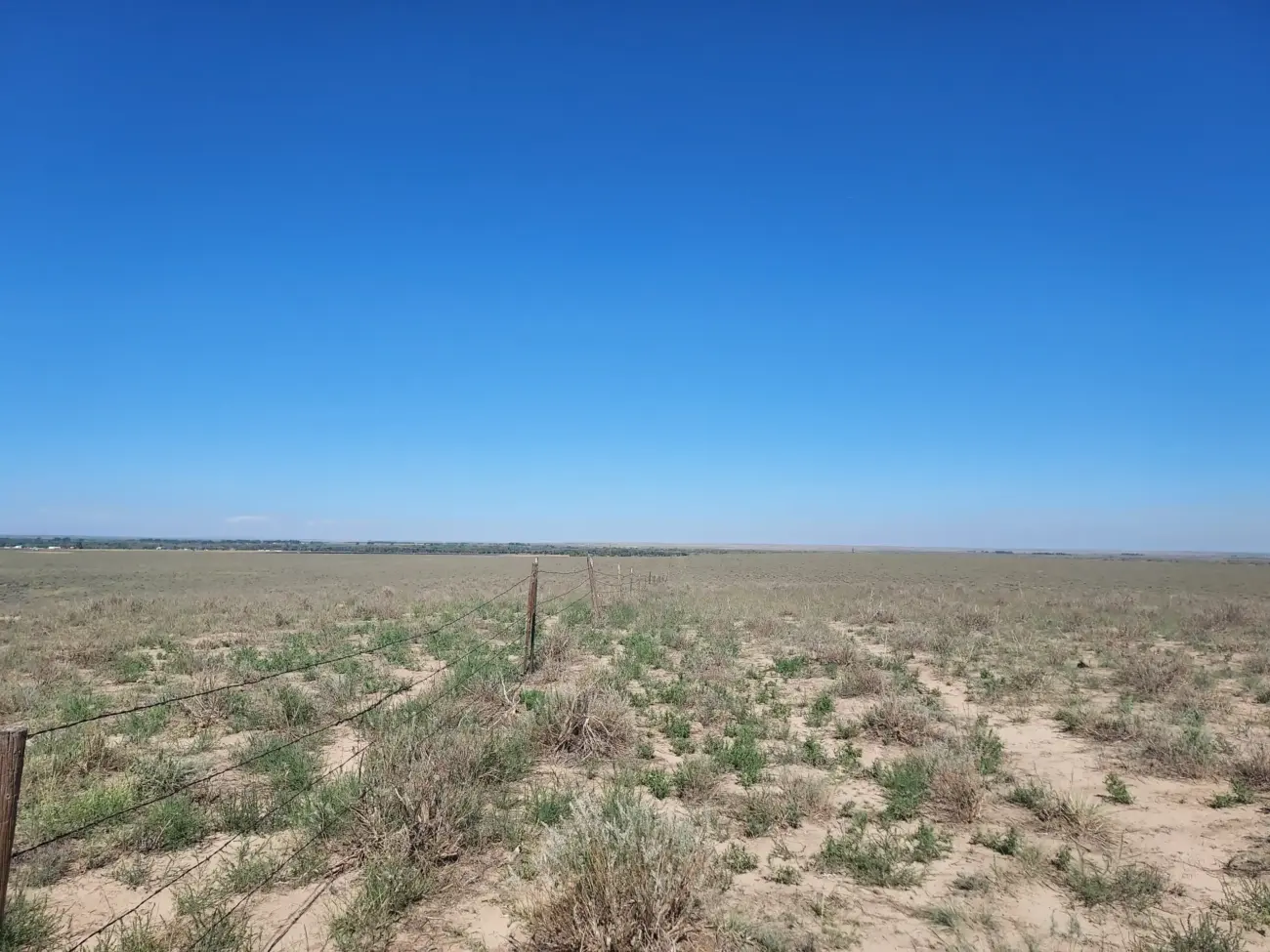
Vaulted Deep builds and operates deep underground disposal facilities for organic waste.
Our facilities use injection well technology adapted from the oil and gas industry— the same practices that have been used across the country and in the Denver Basin for decades.
Monarch Fields is a proposed waste management facility and Class V deep injection well project in Weld County, Colorado. While Monarch Fields is still in early development, the project’s goal is to apply oil & gas technology to provide cost-effective solutions for managing excess waste from local cattle industry operations. This page will continually be updated as the project progresses.
Last updated: November 6, 2026
Proposed project location details
-
Location:
-
Private Land Ownership:
100% of the project land is leased through long-term agreements with private landowners. Participation is voluntary, and landowners are compensated for the use of their land
-
Current land use:
Agricultural, which will continue alongside the proposed infrastructure
-
Site footprint:
40-acre parcel
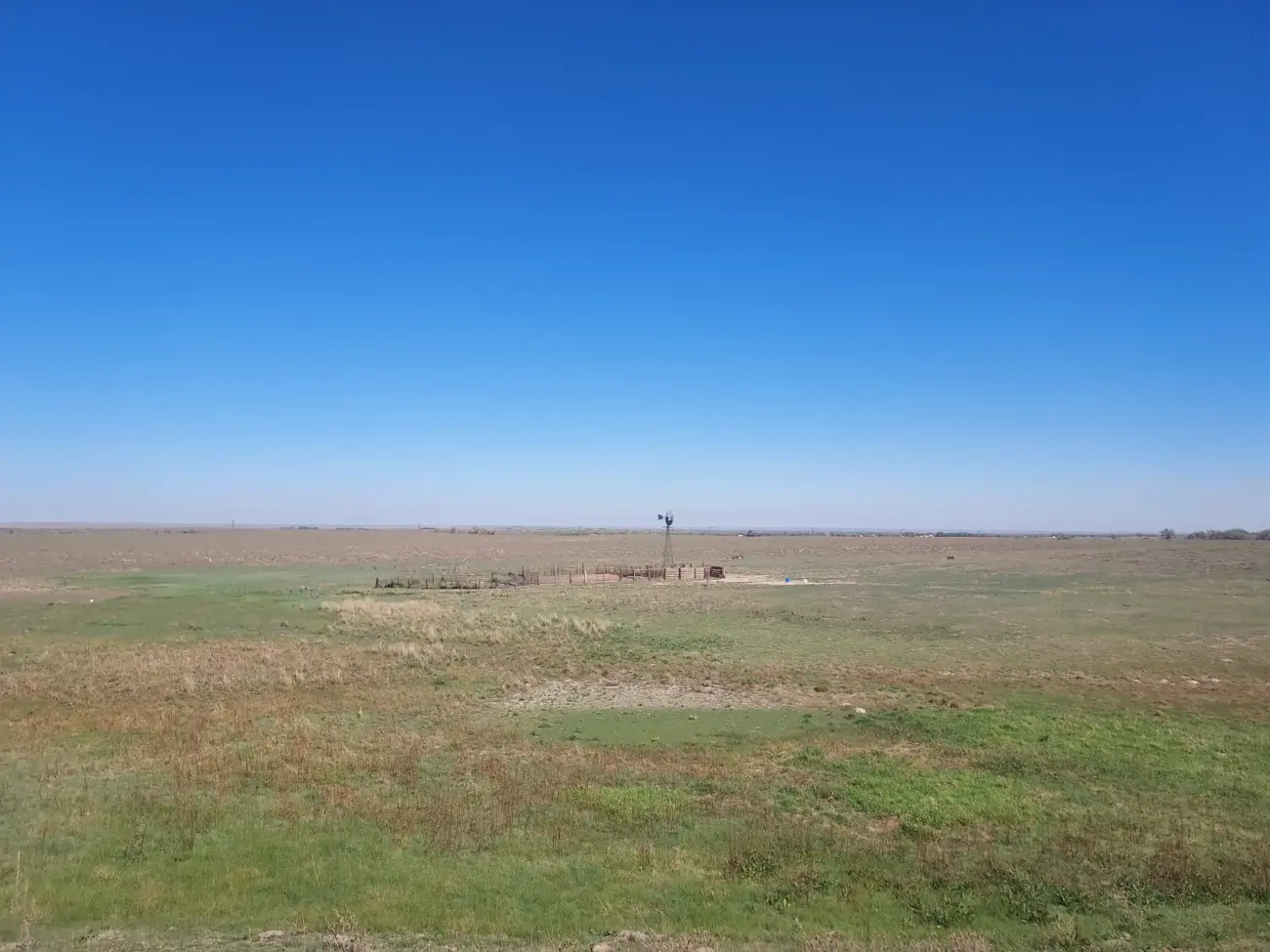
Monarch Fields at a glance
- Economic benefit for local industries: Reduced costs and efficient logistics for managing excess organic waste.
- Only excess: We only take excess waste that has no productive use, offering a reliable local disposal solution.
- Independence amidst growth: As Weld County continues to grow and prosper, Monarch Fields expands local capacity to independently manage waste while attracting private sector investment and creating at least nine high-paying local jobs.
- Land stays in production: The site is leased rather than purchased out of agriculture. Farming and grazing continue around the facility footprint.
Monarch Fields proposed timeline
The proposed project is still in its early stages. Currently, the United States Environmental Protection Agency (US EPA) is conducting a technical review of the project’s two Class V Underground Injection Control (UIC) permit applications, which regulate the safety of underground injection wells.
Vaulted Deep is currently engaging with state and local officials. After those discussions, Vaulted plans to submit a Use by Special Review (USR) application to Weld County and begin the local permitting process. As part of that process, the Colorado Department of Public Health and Environment (CDPHE) will review our engineering and operations plans to ensure they meet state standards. As the local permitting process progresses, we’ll be engaging with the community.
We’ll refine the project based on input from state and federal regulatory agencies, Weld County, and community members before Weld County makes its final determination. The county will evaluate factors like noise, traffic, lighting, hours of operation, and whether infrastructure like water and septic can support the project. If the project satisfies all local requirements, the county may approve a permit — at which time, we would move towards construction and operations.
-
November 2024 — complete
Submit EPA Class V UIC permit applications
-
December – March 2027
EPA public comment period
-
Fall 2026
Submit state & local permit applications
-
Spring 2027
Community open house
-
Spring 2027
Local permit hearings
-
Fall 2027
Construction
-
March 2028
Operations begin
UPDATES
As Monarch Fields continues to progress, Vaulted will share periodic project updates here.
-
11/16/26
Our commitment to you
As the Monarch Fields project progresses, Vaulted Deep is committed to sharing updates and news with project neighbors and other local stakeholders. Please see the brief update below and reach out if you have any questions.
UPDATE: New groundwater test wells in development
Vaulted Deep is drilling two groundwater test wells at Monarch Fields to find out whether nearby brackish aquifers could supply water for our future facility operations. To be clear, these are not injection wells. We’ll be measuring how salty the groundwater is, how much water there is, and how much a well could pump. These are the aquifers we are testing:
- First well: Upper Pierre aquifer, about 1,500 feet below ground.
- Second well: Laramie-Fox Hills aquifer, shallower than the first.
Timeline
Site work got started November 16, and we expect the first well to be drilled and tested by mid-December.
Date Development Process Nov 16 Temporary access road off the county road under construction Nov 17 Drill pad construction begins Week of Nov 23 Smaller rig arrives to install conductor casing (a steel pipe at the top of the hole that keeps it from caving in) Around Dec 1 Drilling begins on the first well (Upper Pierre) Through mid-Dec Well completion and aquifer testing Dec 18 (tentative) Drilling begins on the second well (Laramie-Fox Hills) Please note that dates may shift as the drilling schedule is finalized.
What neighbors may notice
The work area will stay under one acre. Once drilling starts, you may notice temporary activity around the clock, since it runs 24 hours a day. Impacts will include:
- More truck traffic on the county road: Around a dozen semi-trucks will arrive on the front and back end of the operation. During drilling, traffic is expected to be light, mainly coming from employees changing shifts.
- Minimal noise from equipment: The nearest neighbor is 3,100ft away, so neighbors can expect noise impacts to be minimal. On site, if you were standing 50ft away from the drilling rig, it would be about as loud as a lawn mower or motorcycle (90-105 dBA). From 1,000 feet away, it would be as loud as moderate traffic (60 dBA). At 3,000+ feet away, the noise should remain around 40-50 dBA, equivalent to a quiet residential street.
- Site lighting overnight: Given the lack of neighbors in close proximity, we do not expect direct impacts on nearby homes.
Permits and oversight
We’ve received groundwater testing well permits from the Colorado Division of Water Resources (DWR), the state agency that oversees water use. These permits are an early step in the broader water rights permitting process, along with temporary access permits. Any future groundwater production would follow Colorado’s water rights rules, which cover who can use groundwater.
Questions?
Email monarchfields@vaulteddeep.com with any questions or concerns.

FAQs
-
Do you have all the answers yet?
Not yet — and we want to be upfront about that. This project is still in very early planning stages. Our ongoing conversations with regulators and other stakeholders are actively shaping our Weld County permit application, which we expect to submit later this fall.
-
Where are you currently in the process?
Vaulted Deep is in the early stages of this project. So far, we’ve submitted applications to the EPA for two Class V UIC permits, which are being reviewed under the more stringent Class I engineering standards at EPA’s direction.
-
What comes next?
For the past year, we’ve been in conversations with elected officials and federal, state, and local regulators to assess whether this project is feasible in Weld County. Those conversations have taught us a great deal about the area and helped us begin drafting a permit application that we plan to submit to the county and share publicly.
-
Will this project be safe?
Every Vaulted facility is built around one priority: keeping organic waste permanently isolated from local land, air, and water. Project safety doesn’t rely on any single practice or mechanism; instead, it’s achieved through the redundancy of multiple safeguards working together. These include:
- Careful site selection: picking ideal sites to avoid risk before it exists
- Geologic containment: storing waste in a natural geologic reservoir (sandstone) sealed with impermeable shale rock
- Advanced modeling: predicting reservoir and seal geomechanical behavior before operations begin
- Engineered well design: redundant physical barriers to protect groundwater
- Testing and verification: confirming safety before operations begin
- Operational controls: managing system pressure and stability
- Continuous monitoring: 24/7 visibility and real-time reaction
- Regulatory oversight: independent auditing at the federal, state, and local levels
-
What are you going to be storing underground?
While we are still in early development of this project, our current plan is to permanently store organic, natural waste from animal processors.
-
When are you planning to have public meetings?
The project plan is still being refined. Once the project is more defined, and we can answer questions with a bit more certainty, we’ll begin sharing additional information and engaging with the community through many different forums, including a community open house.
-
How can I share my thoughts?
Good projects are made better by local input. We’ll be hosting an open house event, and we will be engaging early and often before that with the community. In the meantime, for any questions or comments, please contact monarchfields@vaulteddeep.com.
Contact
This webpage will continue to be updated as the project progresses.
For questions about the proposed Monarch Fields project: monarchfields@vaulteddeep.com