
Vaulted Deep is welcoming Jules Kortenhorst, a longtime leader across climate and energy as a senior advisor. Building infrastructure to manage organic waste and permanently store the carbon it contains takes people who understand how next generation infrastructure solutions like this get built, financed, and adopted. That’s exactly Jules.
Jules has spent more than two decades working across climate, business, and policy, building a perspective shaped by work in the U.S., Europe, and across global markets. Along the way, he has helped build organizations, develop markets, and work through the practical challenges that determine whether promising climate solutions can make the jump from early momentum to real-world scale.
“What drew me to Vaulted is that it is building essential infrastructure for organic materials that farms and communities need to manage, while permanently storing carbon in the process,” said Jules Kortenhorst. “This is critical infrastructure we urgently need to build—and Vaulted is showing we can build it in a better way, one that solves an immediate waste problem and helps address climate change at the same time.”
Jules currently co-chairs the Energy Transitions Commission and led Bridge Carbon, a carbon project developer focused on high-integrity climate projects. He spent nearly a decade prior as CEO of RMI, where he helped grow the organization from roughly 50 to 600 professionals and expand its work globally. Earlier in his career, Jules was the founding CEO of the European Climate Foundation and served in the Dutch Parliament. He has deep experience across climate and policy in the Netherlands and the EU, giving him a direct view into how European policy and infrastructure development take shape.
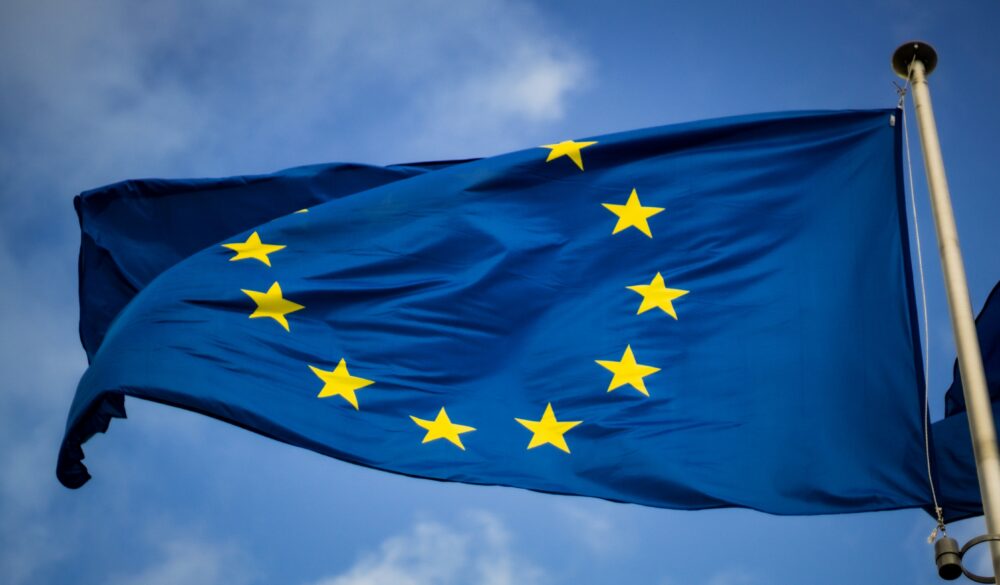
That background matters for where Vaulted goes next. Agricultural nitrogen pressures take different forms across Europe: livestock-heavy regions of Germany face manure-linked nitrogen surpluses, while Ireland is assessing the environmental effects of its nitrates derogation. The Netherlands is a clear example of this need to manage organic residuals. There, the nitrogen burden on nature and ecosystems has left dairy farmers with a large surplus of manure which they can no longer apply to their land. In a 2024 survey of roughly 1,250 Dutch dairy farmers, 80% reported manure-disposal problems; among those farmers, 73.3% said high disposal costs were causing financial difficulties.
Vaulted’s infrastructure offers another pathway for managing surplus manure and the nitrogen it contains while permanently storing carbon. As Vaulted explores opportunities in the Netherlands and elsewhere in Europe, a workable regulatory pathway will help determine where this infrastructure can move forward first. Jules’s experience in Dutch politics and EU climate policy will help guide that work.
Our work sits across a number of systems that don’t always move in lockstep: organic residuals management, infrastructure development, carbon markets, financing, policy, and regulation. Jules’s experience across these systems will provide institutional knowledge and value to Vaulted’s leadership as the company grows.
Vaulted has already moved from proving the model to operating and growing infrastructure. Jules has spent much of his career helping climate solutions navigate what comes after the idea works. We’re glad to have that perspective at the table as we keep building.